Black and while spiral

Preventing a Post-Pandemic “Doom Spiral”

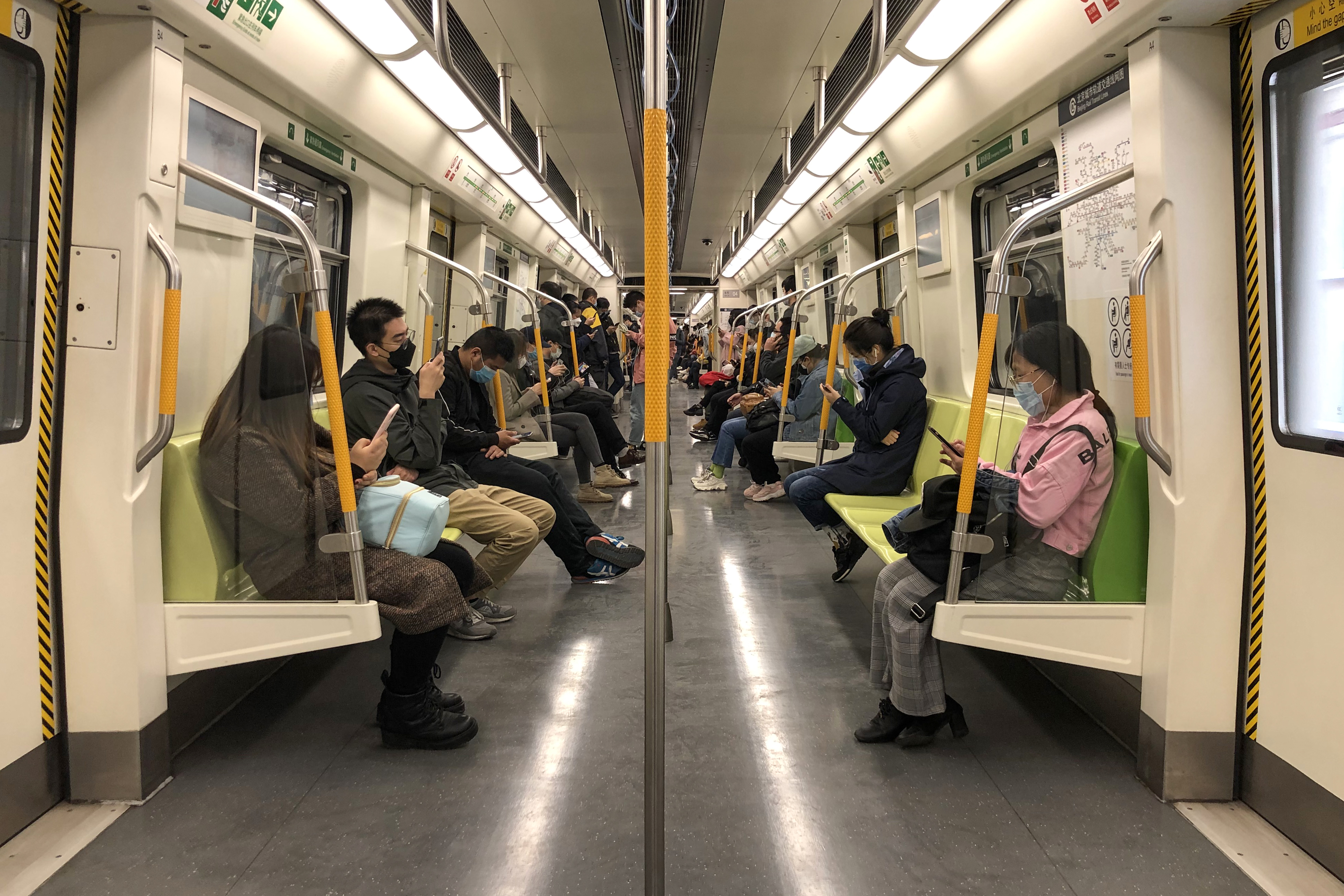
Passengers on a train during the COVID-19 pandemic

The COVID-19 pandemic had profound effects on travel behaviour. Transit ridership declined, stemming from fear of exposure to COVID-19, restrictions on in-person activities in workplaces and public spaces, transit service reductions, and changes in vehicle ownership.

Although transit use has gradually rebounded as the pandemic has subsided, it remains well below pre-pandemic levels.

Reduced ridership has led to reduced fare revenue. This is a challenge for transit agencies in Canada, where fares cover more than half of operating costs.

The reasons for declining ridership may reflect both new and old paradigms. As the pandemic has waned, the nature of ridership has shifted, and transit agencies have been trying to evolve to meet a new normal.

Based on Pezeshknejad, P., Palm, M., & Rowangould, D. (2025). Public transit in transition: The “new normal” or a return to normal? Transport Policy, 171, 1076–1089. https://doi.org/10.1016/j.tranpol.2025.07.018

MAIN LINE

COVID-19 created large scale changes in our society. An oft-overlooked aspect are public transport ridership changes, and their affect on Canadian transit systems in a post pandemic world. During the first wave of the pandemic, Canada as a whole noticed a decline in ridership of 83.7%. OCTranspo has faced similar declines, and has been forced to find new ways to attract riders and change routes to save costs. Understanding the characteristics of riders who have returned, and those who decided not to, is important for transit agencies across the country. Even more so are the factors that would convince more riders to use public transit.


This site is based on the paper by Pezeshknejad, P., Palm, M., & Rowangould, D. (2025) that evaluates changes in the Canadian transit funding and ridership landscape. It aims to shed light on transit agency efforts to reverse ridership declines and the extent of fundamental shifts in transit provision. The paper studies transit changes in Toronto (TTC) and Vancouver (TransLink), with relevant parallels to Ottawa (OCTranspo).

TRANSIT LANDSCAPE

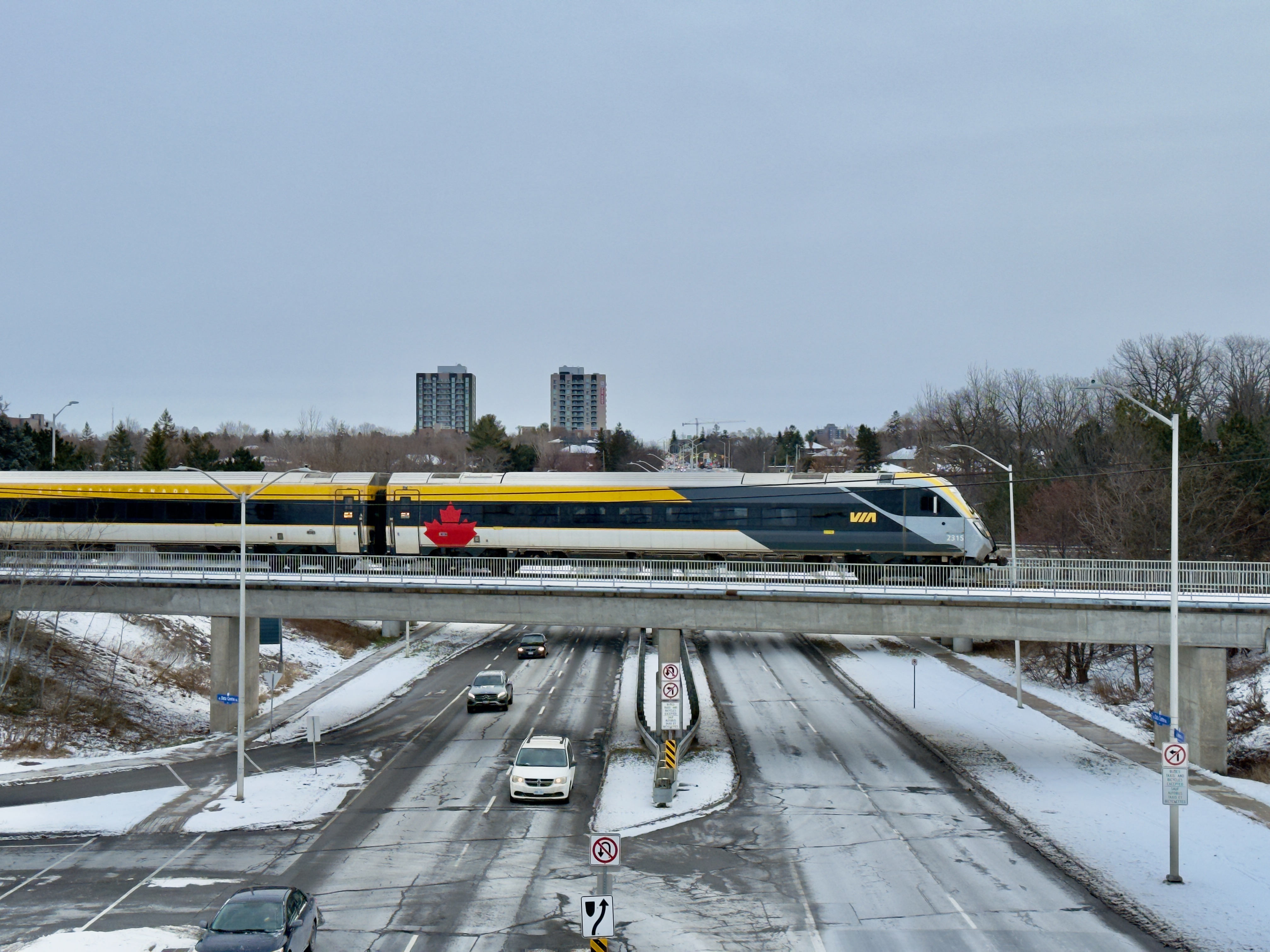
Looking down Heron road. Cars are on the road, and a bridge crossing the road has a train on it.

Transit Doom Spiral

A transit doom spiral is when a public transport system experiences a decline in ridership, leading to reduced revenue and service cuts. As services become less frequent and less reliable, more passengers opt to use alternative modes of transport, such as personal vehicles, which further decreases ridership and revenue, creating a vicious cycle.
Two yellow train stoppers on tracks

Notably, the impact of service cuts implemented during the pandemic were more significant for core riders such as those with low income and without a license.

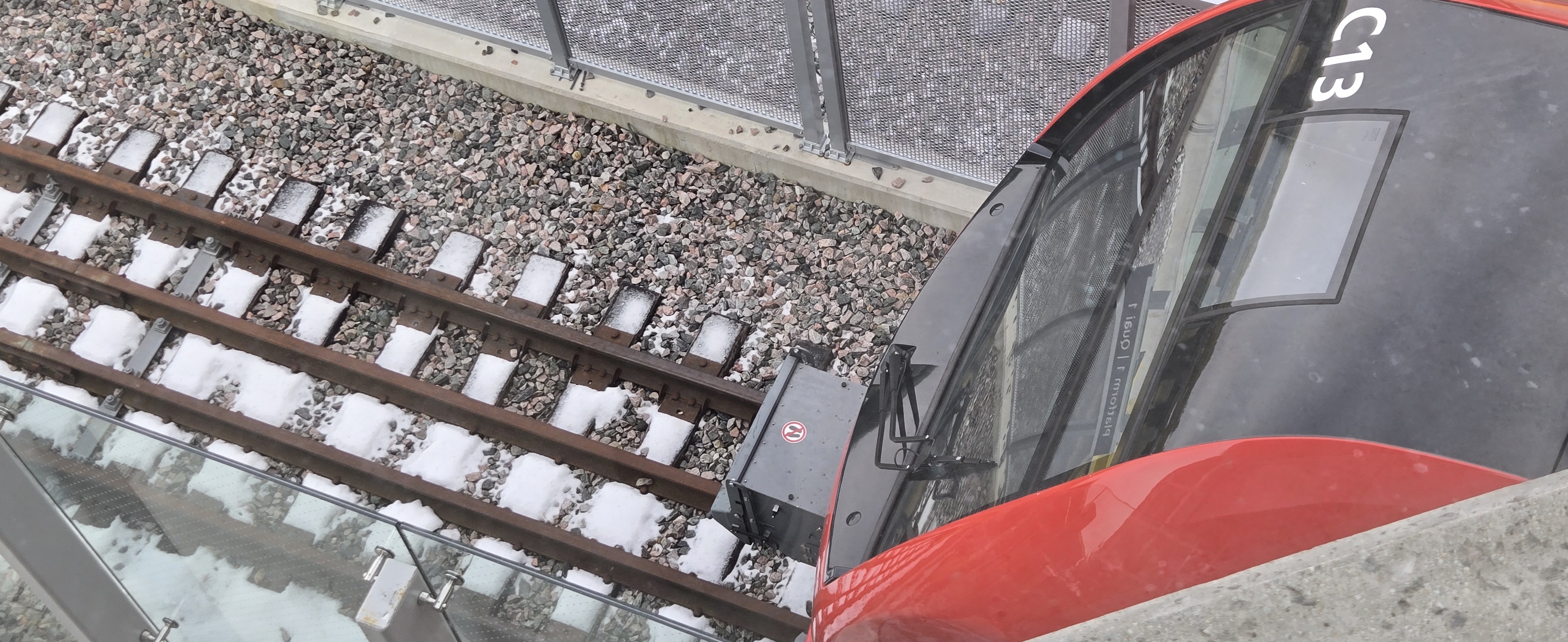
Birds-eye view of Ottawa's O-Train Line 2

In Canada, those with better transit accessibility were less likely to express interest in buying a vehicle, less likely to purchase a vehicle, and more likely to intend to use transit in the future, pointing to the importance of maintaining high quality transit service to maintain and attract transit riders

New Normal

Evaluating this changing landscape can as determine the extent to which the transit systems are exhibiting a “new normal” or a “return to normal” and inform the measures needed to revive essential mobility services in the post-pandemic era.

METHODOLOGY

Much of the data presented is from the third wave of a series of Public Transit and COVID-19 panel surveys conducted in Toronto and Vancouver, Canada.

The third wave of the survey was conducted in September and October 2022, when declining infections, improved recovery rates, and the lifting of COVID-19 travel restrictions in Canada signalled the end of the highly elevated risks posed during the pandemic.

Also obtained are nationally aggregated data on Canadian ridership, revenue streams, service, and operating costs from 2014 to 2024.

LIKELIHOOD TO RETURN

A  person

has an 81% likelihood to have already returned to transit during the 3rd wave of the study. If they haven't already returned, they only have a 52.50% chance to fully return in the future.

REASONS TO RETURN

Overall, it appears that transit agencies’ internal factors related to transit accessibility and convenience play a modestly greater role in shaping individuals’ decisions to use transit than external factors that relate to a person’s circumstances. Taken together, the results suggest that while some of the factors related to transit use have changed since the pandemic, the fundamentals of providing high quality transit are still important, and in the post-pandemic era, transit agencies should continue to focus on coverage, shorter headways, and reliability to attract and retain riders.

TRANSIT AGENCY OPERATIONS

Canadian ridership plummeted in 2020. Passenger trips dropped by roughly 50% below pre-pandemic levels. By 2023, ridership remained 82% of 2019 levels.

At the same time Canadian transit agencies maintained steady service levels during this period. The depth of ridership losses exceeds the depth of service reductions, indicating that transit agencies sought to maintain service despite ridership and fare losses.

Total funding has increased modestly in Canada. Funding approximately tracks operating expenses, although fare revenue dropped during the pandemic and is slowly recovering.

The data shows relatively steady transit service levels, modestly increasing funding, and operating expenses in the face of ridership and fare revenue decline that have only partially recovered. This points to continued shifts in the landscape of transit funding and costs.

As ridership dropped the unit costs per passenger served rose substantially during the pandemic. While it has gradually approached pre-pandemic levels, it remain higher than pre-pandemic levels.

Changes in the cost per trip of transit service delivery, coupled with ridership losses, present a concerning picture of the sustainability of Canadian transit systems. The cost per vehicle revenue mile rose modestly, reflecting an increase in the unit costs for vehicle operations. This is likely attributable to inflation in operating expenses that outpaced general economic inflation.

Perhaps least surprising, fare recovery ratios, which are the share of operating costs covered by fare revenue, dropped significantly.

Overall, these trends paint a picture of gradual but incomplete recovery. Canadian transit agencies are faced with two main challenges: addressing rising unit costs and the downward spiral of decreased ridership and fare revenue that the pandemic exacerbated.

FINDINGS

Passengers on a train during the COVID-19 pandemic

The analysis of transit riders in Canadian cities demonstrates that the effects of the pandemic are here to stay, and that ridership losses may partially rebound, but are unlikely to disappear. Most transit riders in this study do not intend to return to their pre-pandemic transit use.

One limitation of the survey is that it includes only those who rode transit before the pandemic. It is important to note that some of the transit reductions observed are likely to be caused by the natural turnover of ridership.

Canadian transit agency data confirms the persistence of post-pandemic ridership declines that are distinct from pre-pandemic ridership trends, despite transit agency efforts to maintain service.

The trends suggest that Canadian transit systems are now spending more to serve fewer people, a shift in the transit service provision landscape that raises fundamental questions about the future of public transportation in Canada.

Taken together, ridership and fare losses and decreasing service efficiency suggest that transit agencies have not escaped from the cycle of transit decline.

One option to break this cycle is to seek to rebuild transit systems to regain and improve the type of service that has been provided in the past, retaining current riders. The other option is to continue to seek and attract new riders. One societal shift may provide a tailwind to flagging ridership if agencies can design attractive services.

There is unlikely to be a “one-size-fits-all” solution to the challenge posed by these changes. For some agencies, the best path forward may be a “return to normal”, while for others the best path forward may be to seek a “new normal.”

Created by Roscoe Brubeck-Campbell and Alexander Crosier for SOCI 3210 - Telling About Society; Fall 2025